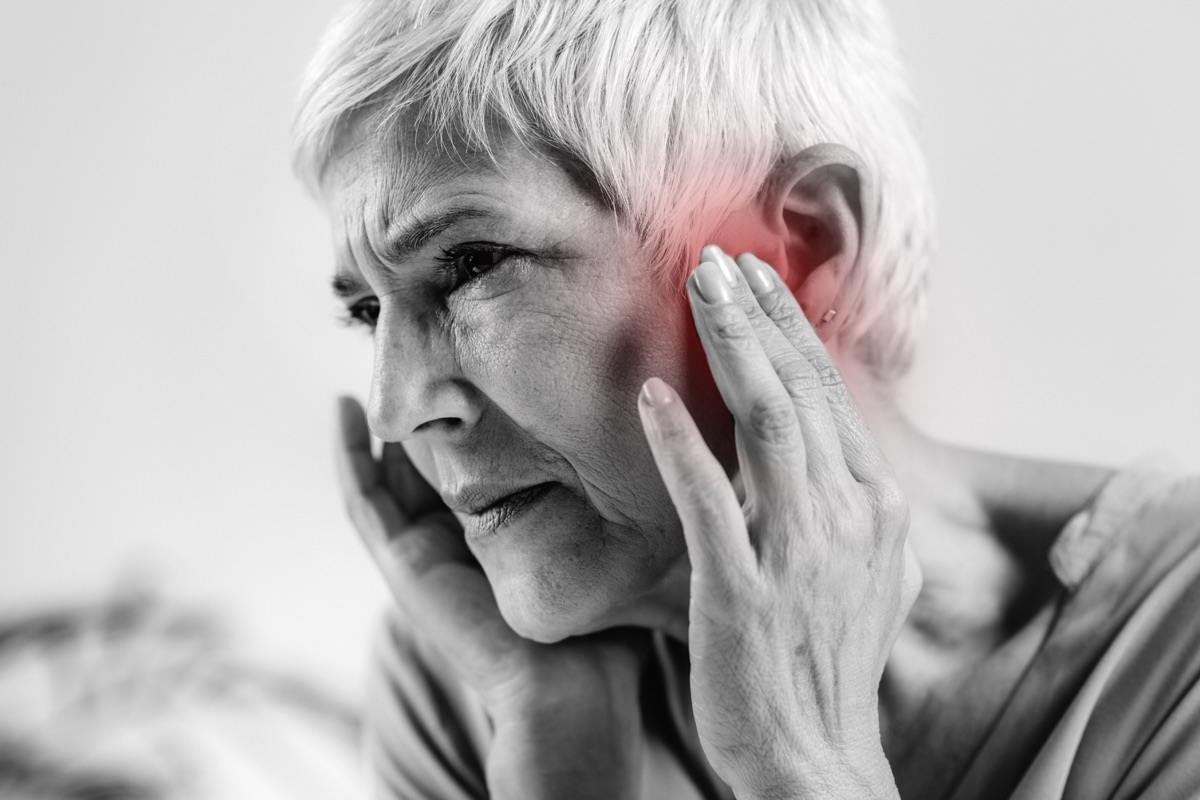
TMJ Disorder (TMD)
5-12% of populationUmbrella term for dysfunction of the jaw joint and surrounding muscles.
Symptoms
- Jaw pain or tenderness
- Clicking or popping sounds
- Limited jaw opening
- Pain with chewing
Affects eating, speaking, and quality of life
TMJ anatomy illustration
The temporomandibular joint connects the jawbone to the skull with both hinge and sliding motion for chewing and speaking.
Umbrella term for dysfunction of the jaw joint and surrounding muscles.
Osteoarthritis or rheumatoid arthritis affecting the TMJ.
Unconscious clenching or grinding of teeth, often during sleep or stress.
The articular disc that cushions the TMJ moves out of its normal position.
Pain originating from the muscles that control jaw movement.
Consult a healthcare provider before starting any exercise program.
Rest tongue on roof of mouth behind front teeth. Allow teeth to separate and jaw muscles to relax.
Place one finger on TMJ, one on chin. Drop lower jaw halfway open, then close. Perform slowly without clicking.
Pull chin straight back making a double chin. Hold 3 seconds. Helps correct forward head posture.
Place thumb under chin. Open mouth slowly while providing gentle resistance with thumb.
Take our AI-powered assessment for personalized insights.
Start Assessment