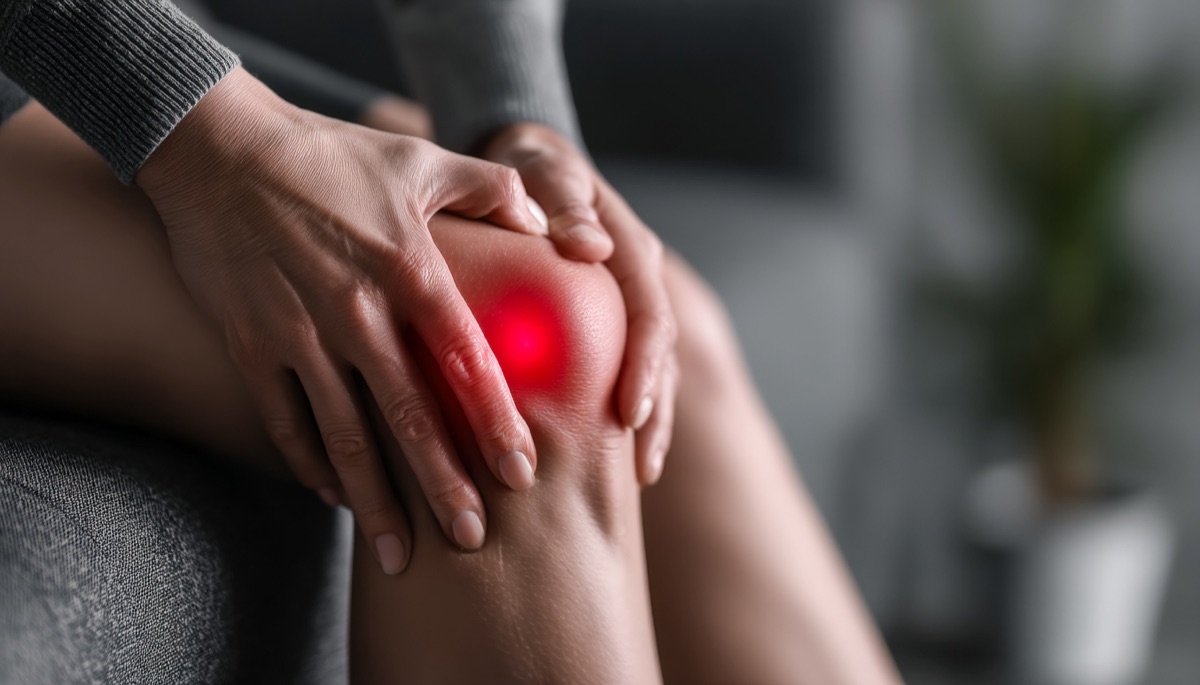
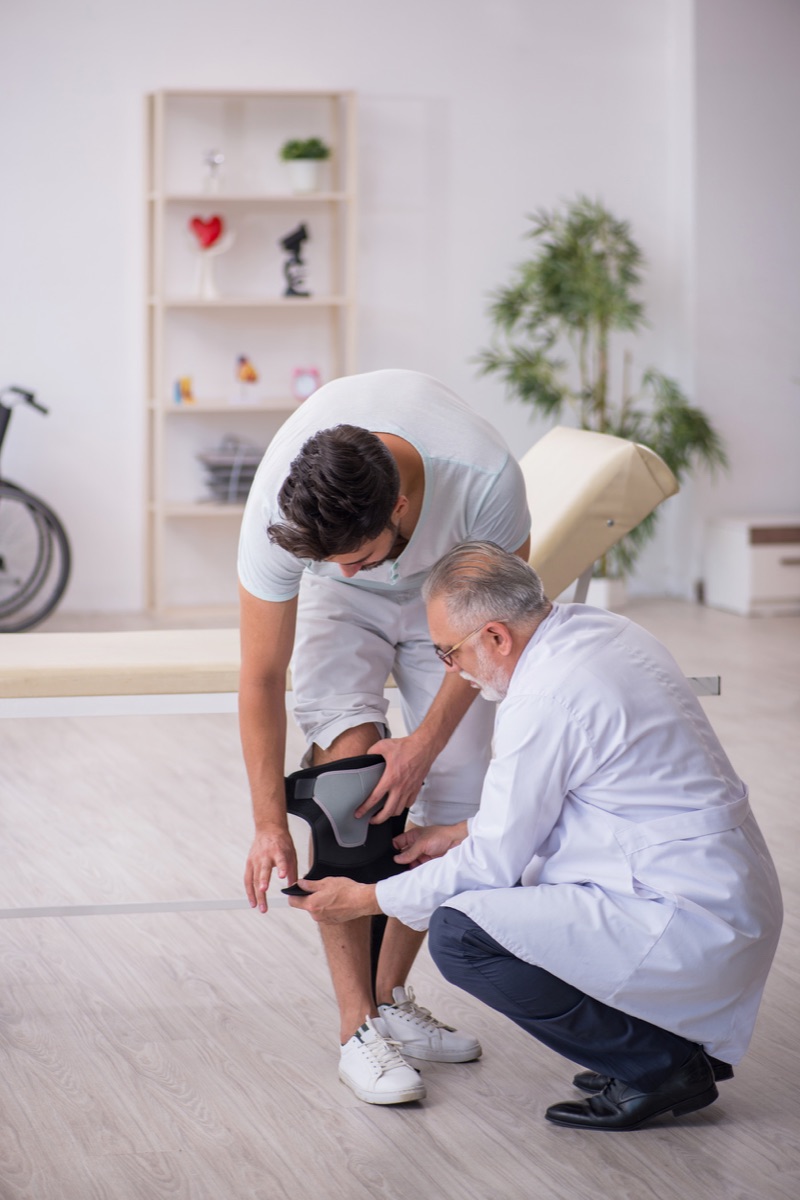
The knee is the largest and most complex joint in the body. Understanding your pain is the first step toward relief—whether through self-care, physical therapy, or medical treatment.
The knee joint connects your thighbone (femur) to your shinbone (tibia). It's a complex hinge joint that allows bending and some rotation, supported by an intricate system of bones, cartilage, ligaments, and tendons.
The knee bears 1.5x your body weight when walking and up to 4x when climbing stairs. This constant stress makes it vulnerable to injury and wear-and-tear conditions.
The knee is a masterpiece of engineering, but it was designed for walking on soft ground—not pounding pavement. Understanding how your knee works is the first step to protecting it.
Knee pain can result from injuries, mechanical problems, arthritis, and other conditions. Identifying the root cause is essential for effective treatment.
The most common form of knee arthritis. Cartilage breaks down over time, causing bone-on-bone friction, pain, and stiffness.
Affects 14M AmericansThe rubbery cartilage that cushions your knee can tear from twisting motions, causing pain, swelling, and sometimes locking.
Common in sportsACL, MCL, and other ligament tears cause instability, swelling, and difficulty bearing weight. Often require therapy or surgery.
ACL most commonInflammation of the bursae (small fluid-filled sacs). Often caused by repetitive kneeling or overuse. Causes localized pain.
Repetitive strain"Jumper's knee" affects the tendon connecting kneecap to shinbone. Common in runners, cyclists, and jumping sports.
Overuse injuryAn autoimmune condition that attacks the joint lining, causing inflammation, pain, and potential joint damage.
AutoimmuneAmericans with knee osteoarthritis
Force on knees when climbing stairs
of knee replacements last 15+ years
Where you feel knee pain often provides important clues about its underlying cause. Use this guide to identify your symptoms.
Patellofemoral syndrome, patellar tendinitis, chondromalacia patella. Often worsens with stairs or squatting.
MCL sprain, medial meniscus tear, pes anserine bursitis, medial compartment osteoarthritis.
LCL sprain, lateral meniscus tear, IT band syndrome, lateral compartment osteoarthritis.
Baker's cyst, hamstring tendinitis, PCL injury. May cause tightness or swelling behind the joint.
Osteoarthritis, rheumatoid arthritis, gout, septic arthritis. Often accompanied by stiffness and swelling.
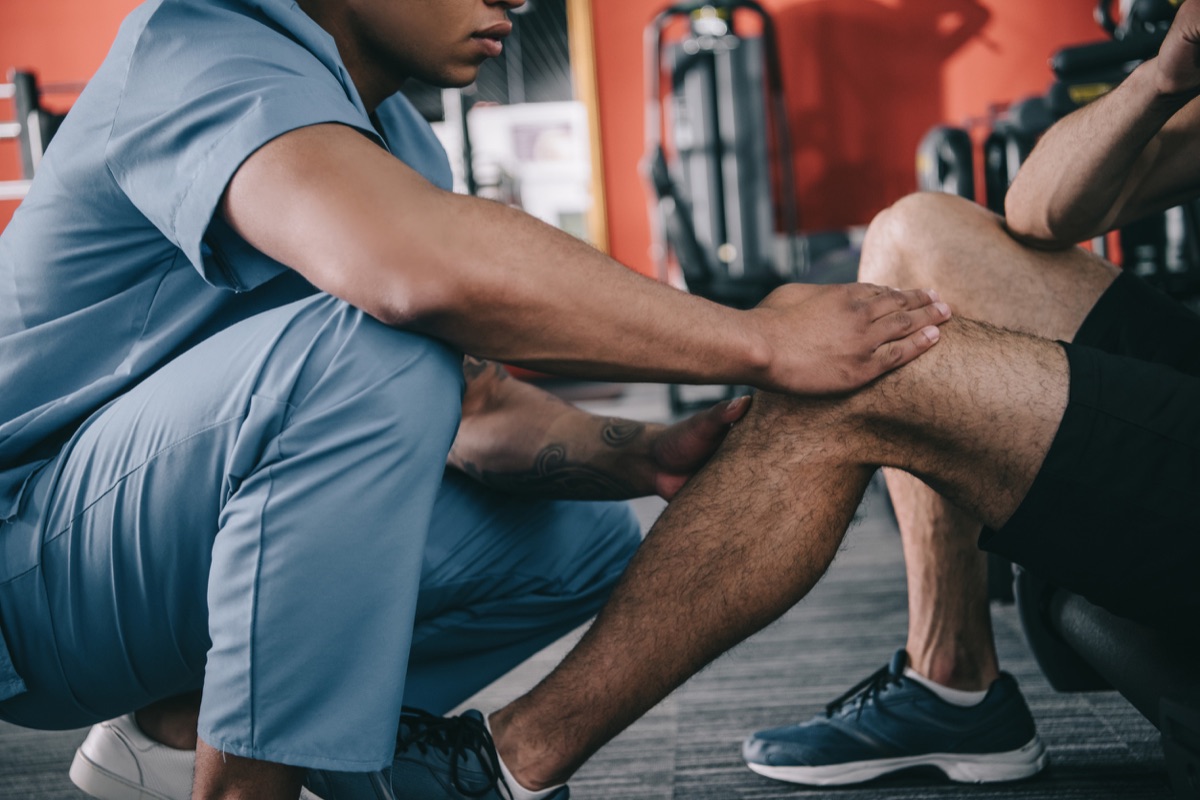
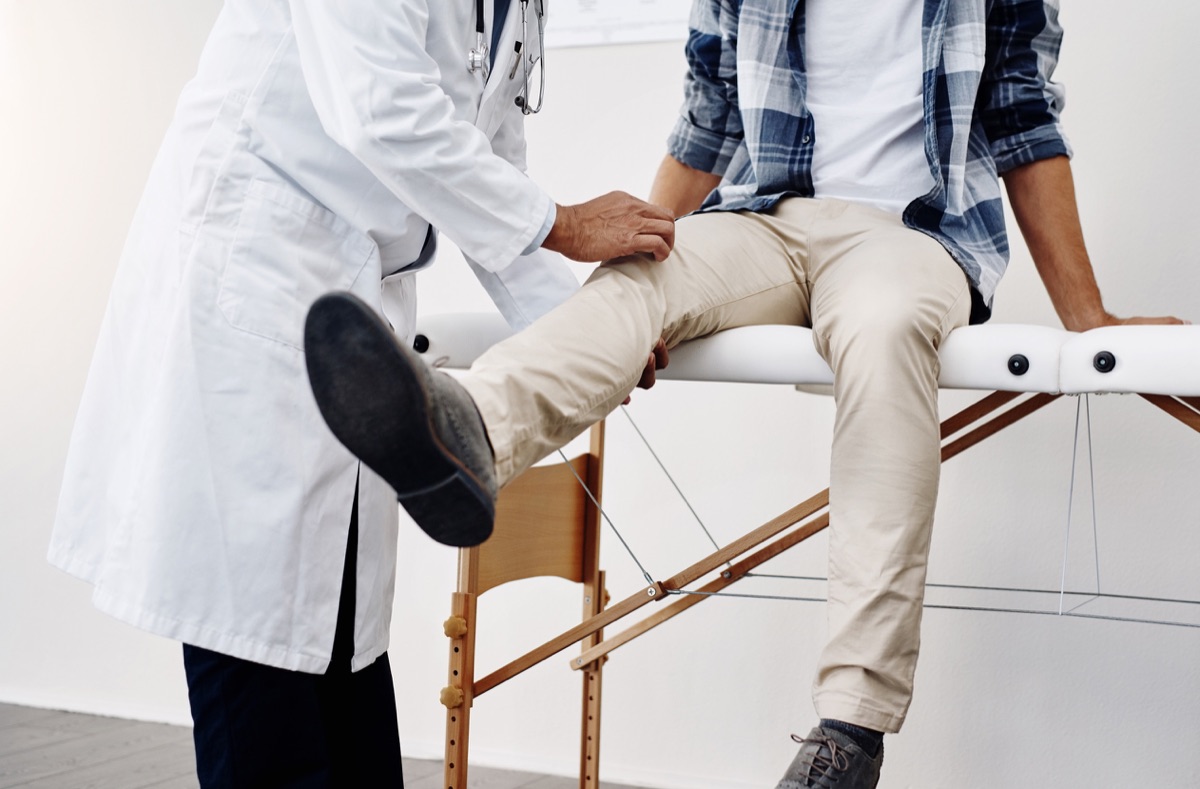
A proper diagnosis combines physical examination, medical history, and often imaging. Your doctor will tailor the workup to your specific symptoms.
Checking swelling, tenderness, range of motion, and joint stability
When pain started, triggers, previous injuries, family history of arthritis
X-rays for bone/OA issues; MRI for soft tissue, meniscus, and ligament tears
Blood work to identify rheumatoid arthritis, gout, or joint infection
Most knee pain responds well to conservative treatment. Surgery is considered when other options haven't provided adequate relief.
Rest, Ice, Compression, Elevation—the gold standard for acute injuries in the first 48-72 hours. Apply ice for 15-20 minutes every 2-3 hours. Use an elastic bandage for compression.
Targeted exercises to strengthen the muscles around your knee, improve flexibility, and restore range of motion. A physical therapist creates a customized program based on your specific condition.
Acetaminophen or oral NSAIDs (ibuprofen, naproxen) for mild-to-moderate pain. Topical NSAIDs like Voltaren gel are FDA-approved for knee OA—apply up to 4x daily. Use as directed and consult your doctor for long-term use.
Unloader braces can shift weight off the damaged knee compartment. Weight management is critical—every pound lost removes 4 pounds of stress on your knees. Combined, these approaches significantly reduce pain and slow disease progression.
Powerful anti-inflammatory injections providing relief lasting weeks to months. Typically limited to 3-4 injections per year per joint to avoid potential cartilage weakening.
Viscosupplementation: Hyaluronic acid adds lubricant to the joint. May help OA patients with effects lasting 3-6 months.
PRP therapy: Platelet-rich plasma from your own blood may promote healing. Promising research but not yet standard of care. Multiple sessions typically needed.
Minimally invasive procedure using a small camera and instruments. Can repair meniscus tears, remove loose bodies, and smooth damaged cartilage. Recovery is typically 3-6 weeks.
Partial replacement resurfaces only the damaged compartment with faster recovery and preserved healthy bone. Total replacement replaces the entire joint surface—highly successful for severe OA with 90%+ lasting 15-20 years.
Osteotomy is another option that reshapes bone to shift weight, potentially delaying replacement in younger patients.
Strengthening the muscles around your knee—especially the quadriceps and hamstrings—is crucial for supporting the joint and reducing pain.
Always consult with a physical therapist or doctor before starting a new exercise program.
Swimming, water aerobics, cycling, and elliptical machines provide cardiovascular benefits without stressing your knees.
Aim for 30 minutes, 5 days a week. Walking is also beneficial—start slow and gradually increase distance. These activities keep joints lubricated and muscles strong.
Proactive steps can significantly reduce your risk of knee pain and protect your joints for the long term.
Every pound lost removes 4 pounds of stress on your knees. Even modest weight loss makes a significant difference.
Regular exercise keeps joints lubricated and muscles strong. Choose activities like swimming, cycling, or walking.
Prepare muscles and joints before intense activity. 5-10 minutes of light movement prevents injury.
Whether exercising or lifting, good technique protects joints. Consider working with a trainer for guidance.
Proper shoes absorb shock and maintain alignment. Replace worn athletic shoes regularly.
Early treatment prevents minor issues from becoming major problems. Listen to your body's signals.
While many cases of knee pain improve with self-care, you should see a healthcare provider if you experience any of the following:
Recent research, news, and expert insights about knee pain treatments and orthopedic advances.