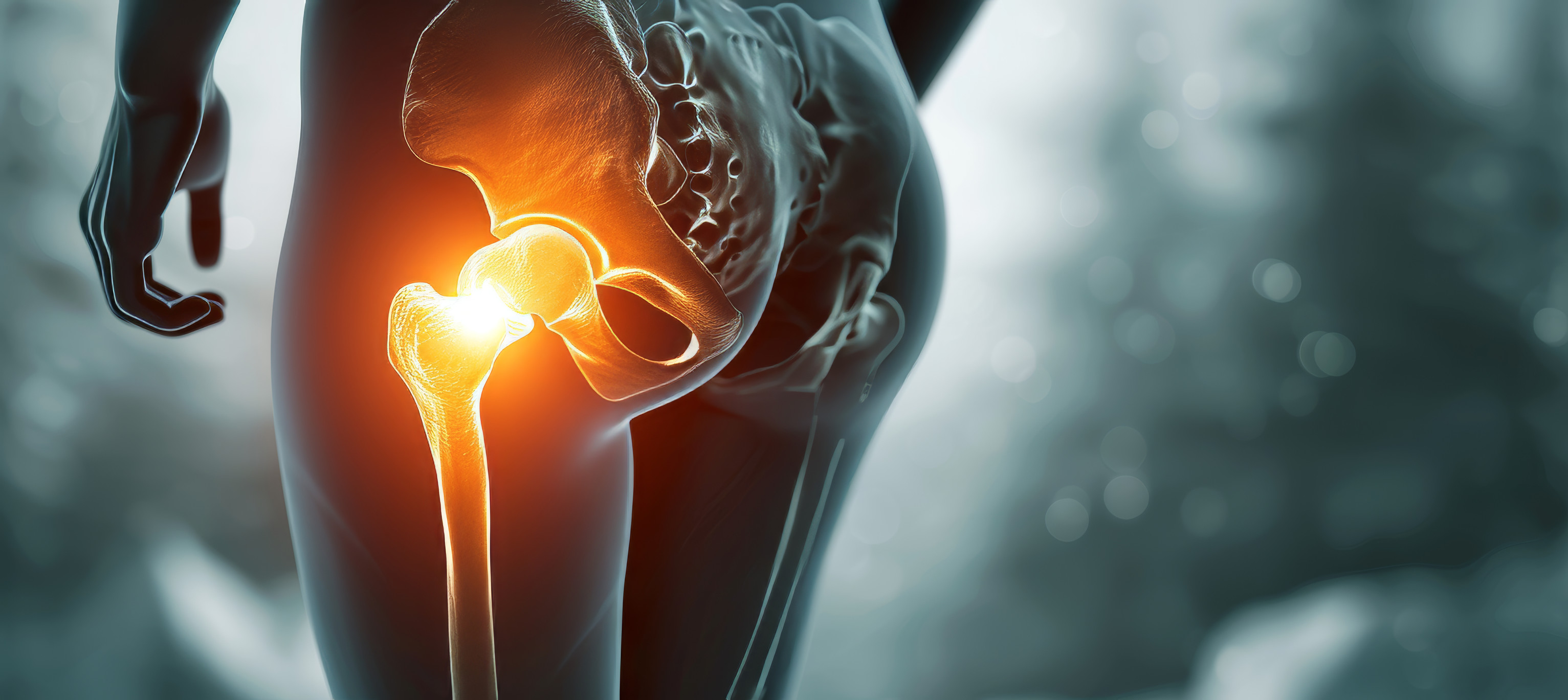
The hip is a ball-and-socket joint designed for stability and a wide range of motion. When problems develop, hip pain can significantly impact your ability to walk, sit, and perform daily activities.
The hip is one of the body's largest and most stable joints. It's a ball-and-socket joint where the rounded head of the femur (thighbone) fits into the cup-shaped acetabulum of the pelvis. This design allows for a wide range of motion while bearing significant weight.
The hip joint bears forces of 3–5x your body weight during normal walking and up to 8x during running. This constant loading makes it susceptible to both injury and degenerative conditions.
The hip joint is the body's largest ball-and-socket joint, built for both remarkable stability and range of motion. When we address hip pain early, we can often preserve function and delay or avoid surgery entirely.
Hip pain can originate from the joint itself, surrounding muscles and tendons, or even be referred from the lower back. Identifying the root cause is essential for effective treatment.
The most common cause of hip pain in adults over 50. Cartilage wears away, causing bone-on-bone grinding, stiffness, and loss of range of motion.
Most common over 50Inflammation of the bursa on the outside of the hip. Causes lateral hip pain that's often worse when lying on the affected side or climbing stairs.
Lateral hip painDamage to the ring of cartilage (labrum) that lines the hip socket. Common in athletes. Causes clicking, catching, and groin pain.
Common in athletesOverstretching or tearing of the muscles at the front of the hip. Common in runners and soccer players. Causes pain with lifting the leg.
Overuse injuryAbnormal bone shapes cause friction between the ball and socket. Can lead to labral tears and early arthritis. Treated with PT or arthroscopy.
FAILumbar spine problems like herniated discs or stenosis can cause pain that radiates to the hip and buttock area, mimicking hip joint problems.
Spinal originHip replacements performed annually in the US
Force on hips during running
of hip replacements last 15–20 years
Where you feel hip pain provides important clues about its underlying cause. Use this guide to identify your symptoms.
Hip joint problems (OA, labral tear, FAI), hip flexor strain. True hip joint pain is most often felt in the groin area.
Trochanteric bursitis, IT band syndrome, gluteal tendinopathy. Often worse when lying on the affected side.
Piriformis syndrome, SI joint dysfunction, lumbar referred pain. May radiate down the leg.
Hip OA (referred pain), hip flexor issues, femoral nerve involvement. Pain may extend from groin toward the knee.
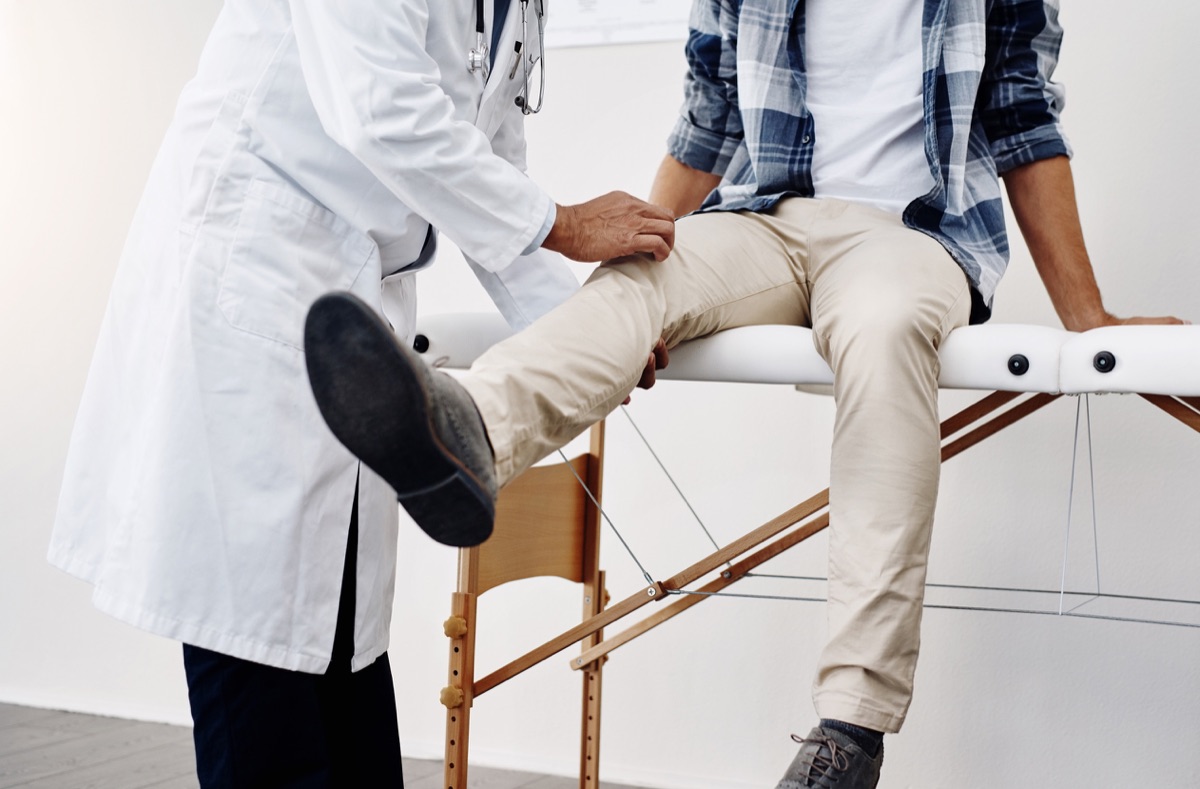
Accurate diagnosis is crucial because hip pain treatment varies significantly based on the cause. Your evaluation may include a combination of physical examination, imaging, and sometimes diagnostic injections.
Range of motion, strength testing, special tests (FABER, FADIR, Trendelenburg)
Show bone spurs, joint space narrowing, fractures, and signs of arthritis
Reveals soft tissue problems—labral tears, tendon damage, bursitis, early cartilage loss
Numbing the hip joint confirms if pain originates from the joint itself
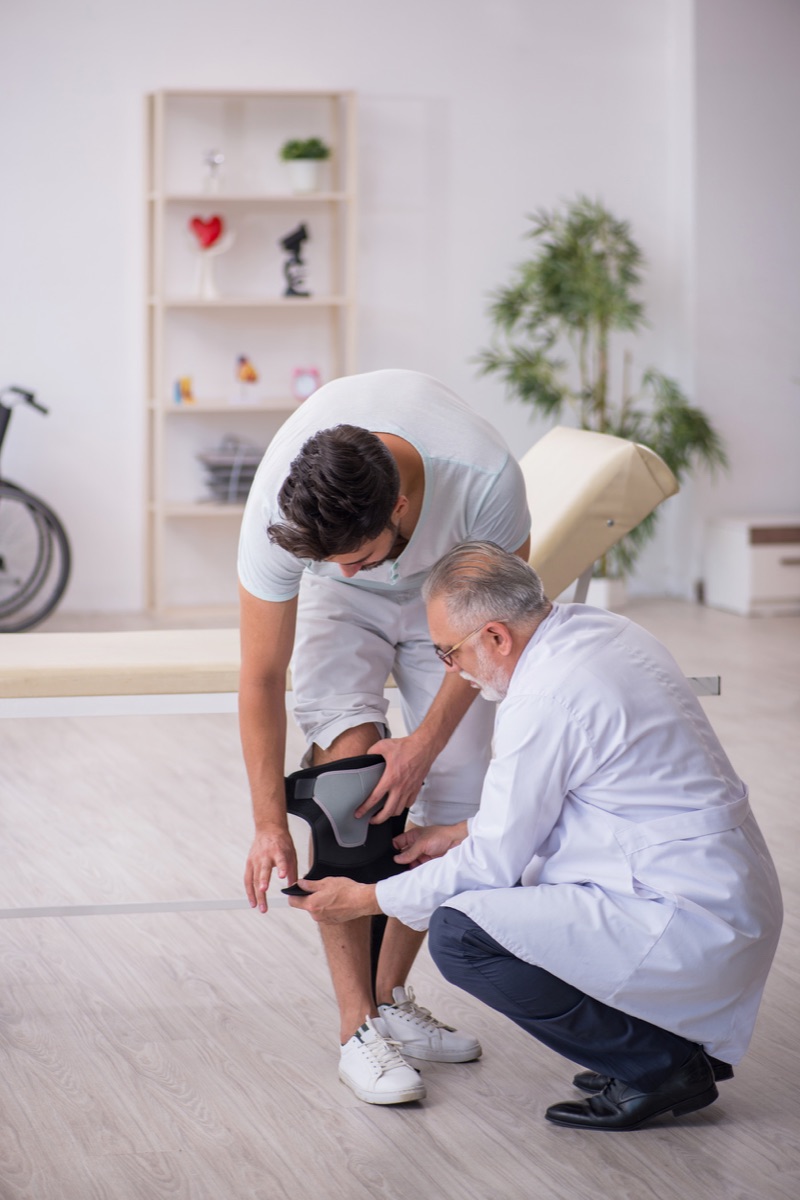
Most hip pain responds well to conservative treatment. Surgery is considered when other options haven't provided adequate relief.
Strengthens hip muscles, improves mobility and range of motion. First-line treatment for most hip pain conditions. A physical therapist creates a customized program targeting your specific weaknesses and limitations.
Oral NSAIDs (ibuprofen, naproxen) reduce inflammation and relieve pain. Topical options like Voltaren gel can help with localized pain. Use as directed and consult your doctor for long-term use.
Reduces joint stress—even 10-15 lbs of weight loss makes a significant difference in hip pain. Avoid aggravating activities while maintaining low-impact exercise. Assistive devices like a cane (used in the opposite hand) can reduce hip loading by up to 25%.
Powerful anti-inflammatory injections done under ultrasound or fluoroscopy guidance. Can reduce inflammation for 3-6 months. Typically limited to 3-4 injections per year to avoid potential cartilage weakening.
Hyaluronic acid: May help some patients with hip OA, though evidence is less robust than for knee OA. Adds lubricant to the joint.
PRP therapy: Experimental but promising for labral tears and early OA. Uses platelet-rich plasma from your own blood to promote healing. Multiple sessions typically needed.
Minimally invasive surgery for labral tears, FAI, and loose bodies. Best outcomes in younger patients without significant arthritis. Recovery is typically 3-6 months for full return to activity.
Total hip arthroplasty replaces the damaged joint with prosthetic components. Highly successful for end-stage OA—95% still functioning at 15-20 years. One of the most successful operations in all of medicine.
Hip resurfacing is an alternative that preserves more bone. Best for younger, active men with good bone quality.
Strengthening the muscles around your hip—especially the glutes—is crucial for joint stability and pain relief. Strong hip muscles protect the joint and improve function.
Always consult with a physical therapist or doctor before starting a new exercise program.
Swimming and water aerobics are ideal—water supports body weight while allowing movement. Cycling (stationary or outdoor) and elliptical machines are also hip-friendly.
Aim for 30 minutes, 5 days a week. Walking is beneficial but may need to be limited if it aggravates symptoms. These activities keep joints lubricated and muscles strong.
Proactive steps can significantly reduce your risk of hip pain and protect your joints for the long term.
Excess weight dramatically increases hip joint stress. Even modest weight loss can reduce pain and slow cartilage wear.
Strong glutes and hip stabilizers protect the joint. Regular targeted exercises reduce injury risk and improve function.
Swimming, cycling, and walking keep joints lubricated and muscles strong without excessive joint loading.
Prolonged sitting tightens hip flexors. Regular stretching prevents imbalances that can lead to hip and back pain.
Poor mechanics during squats, lunges, and running can stress the hip. Consider working with a trainer for guidance.
Early treatment prevents minor issues from becoming major problems. Listen to your body's signals and seek help early.
While many cases of hip pain improve with self-care, you should see a healthcare provider if you experience any of the following:
Recent research, news, and expert insights about hip pain treatments and orthopedic advances.