Your feet are engineering marvels—26 bones, 33 joints, and over 100 muscles, tendons, and ligaments per foot. They bear your entire body weight and absorb the impact of an average 10,000 steps per day.
The foot and ankle form one of the most complex mechanical structures in the human body. With 26 bones, 33 joints, and more than 100 muscles, tendons, and ligaments, they work together to provide balance, support, and mobility.
The foot absorbs 1.5x your body weight with each walking step and up to 3x when running. The plantar fascia, Achilles tendon, and intricate arch system are critical to absorbing this constant impact.
The human foot is a masterpiece of engineering and a work of art. Its 26 bones, 33 joints, and complex network of tendons allow us to walk, run, and balance—but this complexity also makes it vulnerable to injury.
Foot and ankle pain can arise from overuse, structural problems, injuries, or systemic conditions. Identifying the root cause is essential for effective treatment.
Inflammation of the thick band of tissue running along the bottom of your foot. Causes stabbing heel pain, especially with first steps in the morning.
#1 cause of heel painOveruse injury of the Achilles tendon connecting calf muscles to the heel bone. Causes pain and stiffness above the heel, common in runners.
Overuse injuryStretched or torn ligaments from twisting or rolling the ankle. The most common musculoskeletal injury, causing pain, swelling, and instability.
Most common injuryBony bump at the base of the big toe that causes the toe to angle inward. Often hereditary, worsened by tight or narrow shoes.
StructuralPain and inflammation in the ball of the foot, often caused by high-impact activities, ill-fitting shoes, or foot deformities.
Ball of foot painTiny cracks in foot bones caused by repetitive force or overuse. Common in metatarsals and heel bone, especially with sudden activity increases.
Overuse fractureAmericans treated for plantar fasciitis yearly
In each foot—a quarter of all bones in the body
Respond to conservative treatment without surgery
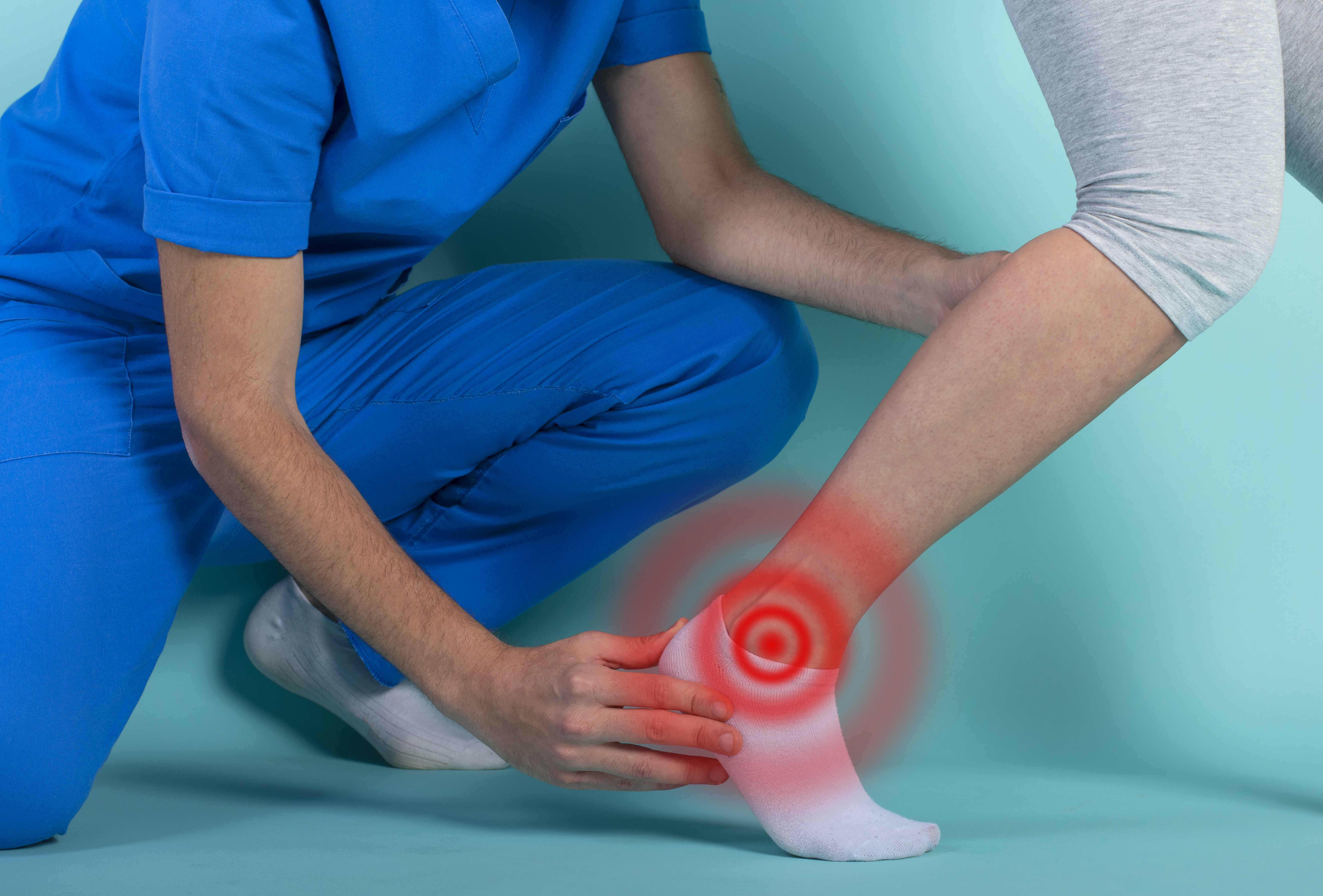
Where you feel foot pain often provides important clues about its underlying cause. Use this guide to identify your symptoms.
Plantar fasciitis, heel spurs, fat pad atrophy. Stabbing pain with first steps in the morning that may improve with movement.
Metatarsalgia, Morton's neuroma, sesamoiditis. Burning, aching, or sharp pain under the forefoot, often worse when walking or standing.
Sprains, Achilles tendinitis, peroneal tendinitis, ankle arthritis. Swelling, instability, pain with weight-bearing or rotation.
Extensor tendinitis, stress fractures, bone spurs. Aching or sharp pain that worsens with activity and tight-lacing shoes.
Bunions (hallux valgus), gout, turf toe, hallux rigidus. Pain, stiffness, swelling at the base of the big toe joint.
A proper diagnosis combines physical examination, medical history, and often imaging. Your podiatrist or orthopedic specialist will tailor the workup to your specific symptoms and pain location.
Checking swelling, tenderness, range of motion, arch height, and gait analysis
Activity level, footwear habits, injury history, diabetes or circulation issues
X-rays for fractures and arthritis; MRI for soft tissue, tendon tears, and plantar fascia
Nerve conduction studies, bone scans, ultrasound for tendon assessment, blood work for gout
Most foot and ankle pain responds well to conservative treatment. Around 90% of patients improve without surgery when the right approach is used consistently.
Rest, Ice, Compression, Elevation—the gold standard for acute injuries like ankle sprains. Apply ice for 15-20 minutes every 2-3 hours in the first 48-72 hours. Use an elastic bandage for compression and elevate above heart level.
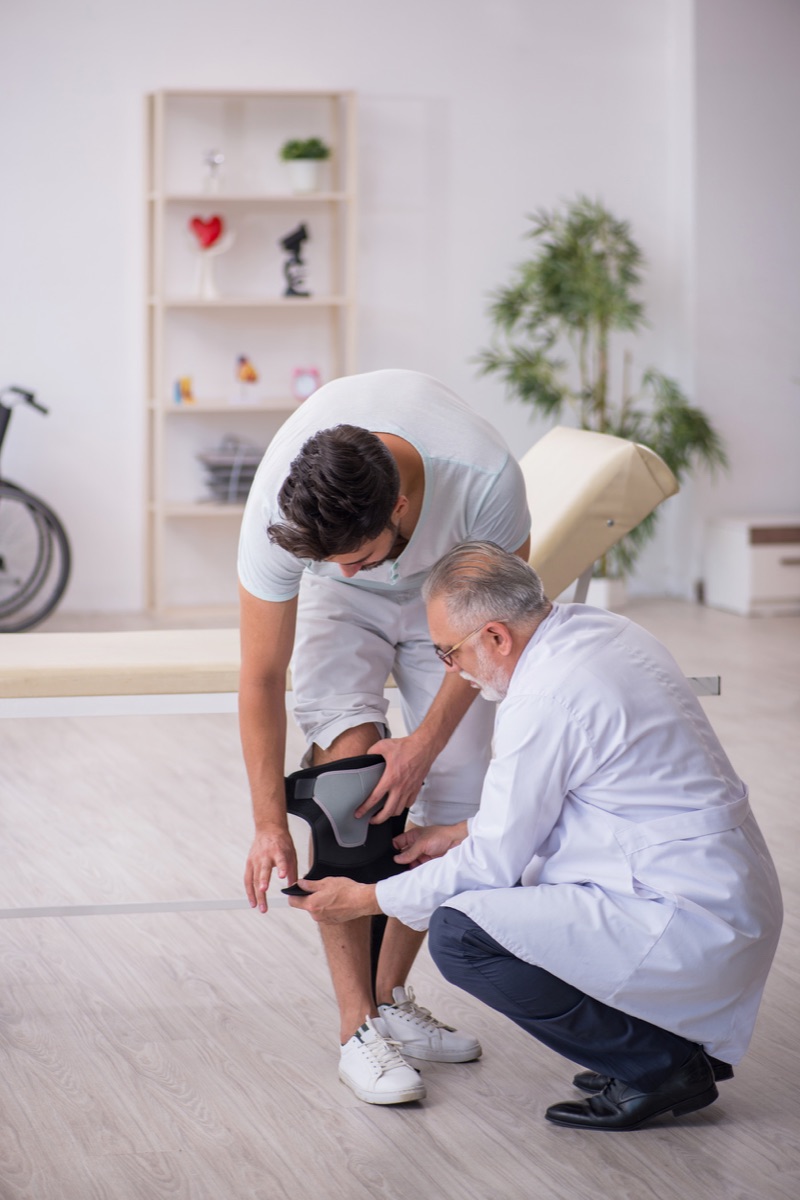
Custom or over-the-counter arch supports redistribute pressure, correct biomechanical issues, and provide cushioning. Proper footwear with adequate arch support, firm heel counter, and roomy toe box is foundational for foot health.
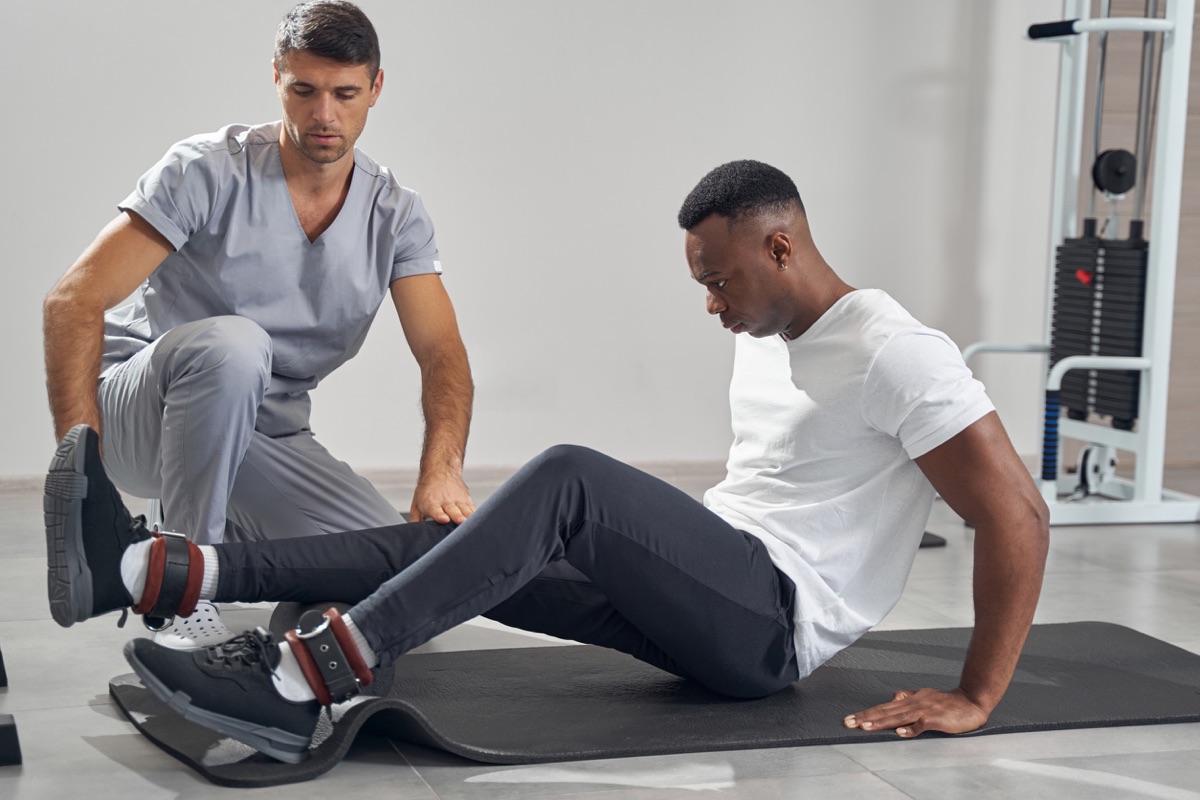
Targeted exercises to strengthen intrinsic foot muscles, improve ankle stability, and restore flexibility. Night splints keep the foot flexed during sleep, which is particularly effective for plantar fasciitis.
Ibuprofen or naproxen reduce inflammation and pain. Topical NSAIDs like diclofenac gel can be applied directly to the affected area. Use as directed and consult your doctor for use beyond two weeks.
Powerful anti-inflammatory injections used for plantar fasciitis, Morton's neuroma, and ankle arthritis. Provides relief lasting weeks to months. Use is typically limited due to risk of tendon weakening, especially near the plantar fascia and Achilles.
Extracorporeal shockwave therapy uses sound waves to stimulate healing in chronic cases. Particularly effective for plantar fasciitis and Achilles tendinopathy that hasn't responded to 6+ months of conservative treatment.
Realigns the bone, ligaments, and tendons to correct the bunion deformity. Several techniques exist depending on severity. Recovery typically involves 6-8 weeks of limited weight-bearing and 3-6 months for full recovery.
Ankle replacement (arthroplasty) replaces the damaged joint with an artificial one, preserving motion. Ankle fusion (arthrodesis) permanently joins the bones, eliminating pain but also joint movement. Both are considered for severe end-stage arthritis.
Strengthening the intrinsic foot muscles and improving ankle flexibility are crucial for supporting the foot's arch system and reducing pain from common conditions like plantar fasciitis.
Always consult with a podiatrist or physical therapist before starting a new exercise program.
Swimming, water walking, cycling, and elliptical machines provide cardiovascular benefits while minimizing stress on your feet and ankles.
Aim for 30 minutes, 5 days a week. Walking remains beneficial for most conditions—use supportive shoes and gradually increase distance. Avoid going barefoot on hard surfaces while recovering.
Proactive steps can significantly reduce your risk of foot problems and keep you moving comfortably for the long term.
Choose shoes with good arch support, cushioned heel, firm heel counter, and adequate toe box. Replace athletic shoes every 300-500 miles.
Custom or over-the-counter arch supports correct biomechanical imbalances and distribute pressure evenly across the foot.
Follow the 10% rule: don't increase running distance or exercise intensity by more than 10% per week to avoid stress fractures.
Regular foot and ankle exercises build the intrinsic muscles that support your arch and improve balance and stability.
Excess weight increases the load on your feet with every step. Even modest weight loss significantly reduces foot and ankle stress.
Early treatment prevents minor foot issues from becoming chronic problems. Persistent pain beyond two weeks warrants a medical evaluation.
While many cases of foot and ankle pain improve with self-care, you should see a podiatrist or orthopedic specialist if you experience any of the following:
Recent research, news, and expert insights about foot pain treatments and podiatric advances.