The elbow is a complex hinge joint that allows bending, straightening, and rotation of the forearm. Despite its apparent simplicity, overuse injuries and nerve compression can significantly impact daily activities and work.
The elbow joint is where three bones meet: the humerus (upper arm), radius, and ulna (forearm). It functions as both a hinge joint for bending and a pivot joint for forearm rotation, making it essential for virtually every hand and arm activity.
The elbow handles significant forces during gripping and lifting, and its relatively exposed position makes it susceptible to overuse injuries, nerve compression, and direct trauma.
Tennis elbow is one of the most common overuse injuries we see, yet the majority of patients have never played tennis. Repetitive gripping and wrist extension at work are the primary culprits.
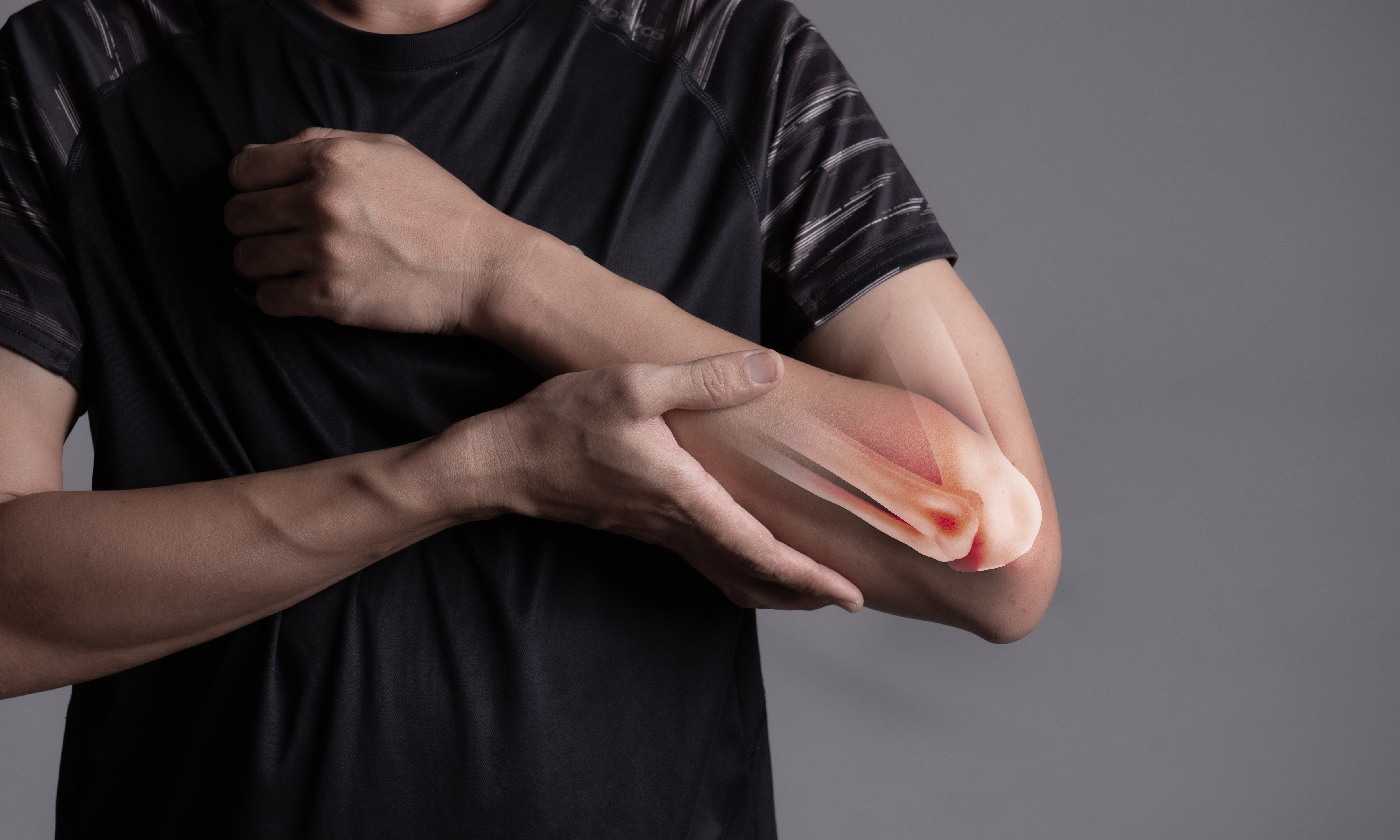
Elbow pain most often results from overuse injuries affecting the tendons, but nerve compression, bursitis, arthritis, and fractures are also common causes.
Pain on the outer elbow from overuse of forearm extensors. Despite the name, most cases occur from repetitive work activities, not tennis. Affects 1-3% of adults.
Most CommonPain on the inner elbow affecting the flexor tendons. Less common than tennis elbow. Caused by gripping, throwing, or repetitive wrist flexion activities.
Inner elbowUlnar nerve compression at the elbow. Causes numbness and tingling in the ring and pinky fingers. Worsens when elbow is bent during sleep or phone use.
Nerve compressionSwelling over the point of the elbow from inflammation of the bursa. Often from leaning on elbows or direct trauma. Creates a visible swelling at the elbow tip.
Swelling at tipLess common than hip or knee osteoarthritis, but can occur after injuries or in rheumatoid arthritis. Causes stiffness, grinding, and loss of range of motion.
DegenerativeUsually from a fall on an outstretched hand. Causes immediate pain, swelling, and difficulty rotating the forearm. Requires prompt medical evaluation.
TraumaAffected by lateral epicondylitis
Conservative treatment success rate
Age range most commonly affected
Where you feel elbow pain provides important clues about the underlying cause. Use this guide to identify your symptoms.
Tennis elbow pain at the lateral epicondyle. Worsens with gripping, turning a doorknob, or lifting with palm facing down. May radiate down the forearm.
Golfer’s elbow at the medial epicondyle. Pain with gripping, throwing, or wrist flexion. May cause weakness in hand and wrist grip strength.
Olecranon bursitis causes visible swelling at the elbow tip. Triceps tendinitis causes pain with straightening the arm against resistance.
Cubital tunnel syndrome causes numbness and tingling in ring and pinky fingers. Radial tunnel syndrome causes deep aching in the outer forearm.
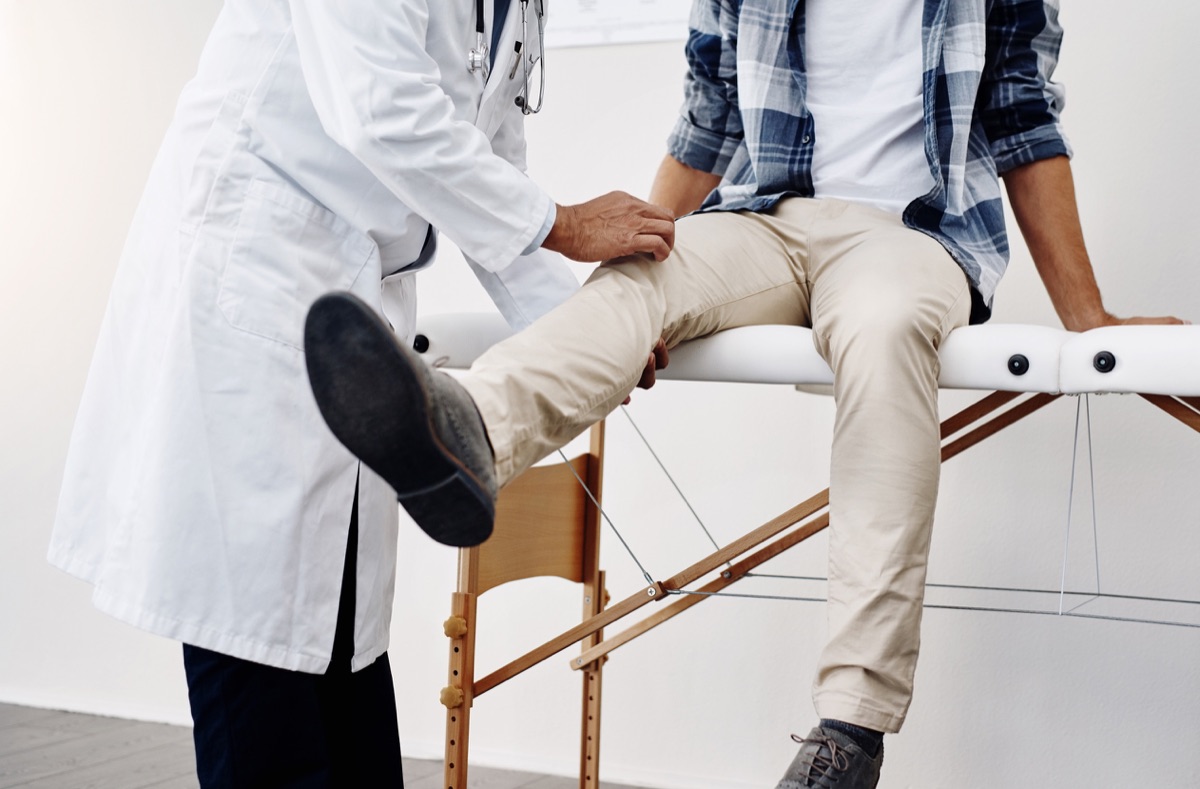
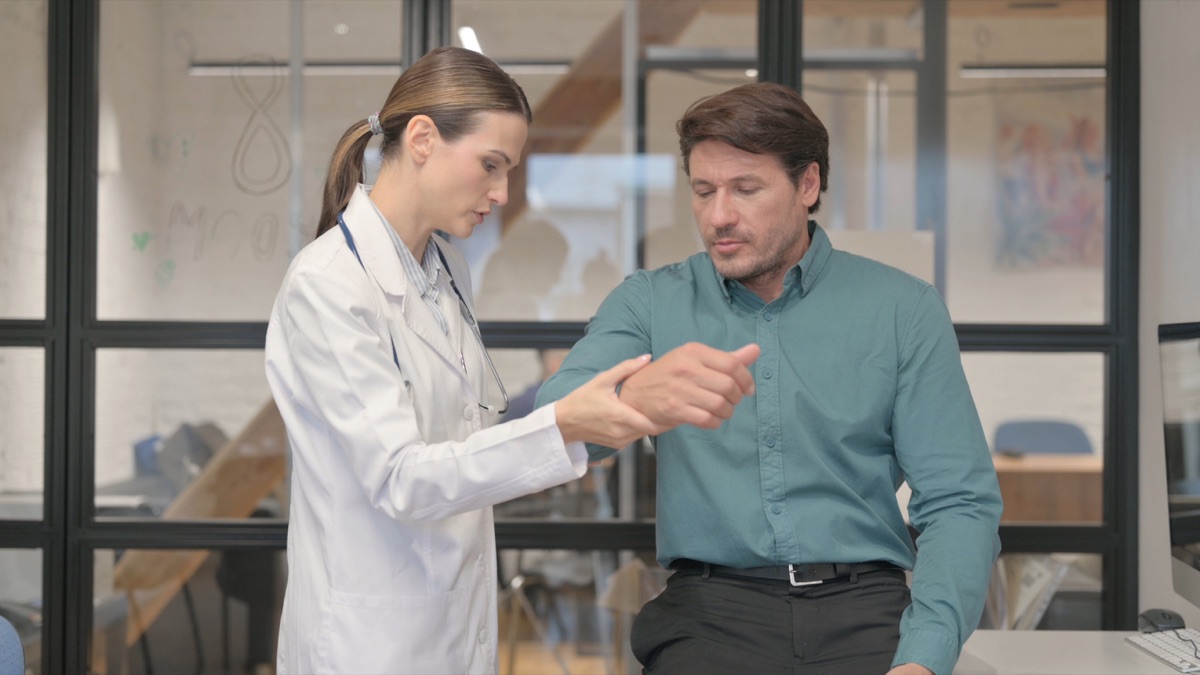
A proper diagnosis combines physical examination with specific provocation tests. Your doctor will assess tenderness, strength, and nerve function to identify the source of your pain.
Palpation of epicondyles, provocative tests (Cozen’s test, Tinel’s sign), grip strength assessment
Occupational activities, sports involvement, onset pattern, previous injuries or surgeries
X-rays for fractures and arthritis; MRI for tendon tears; ultrasound for tendinopathy evaluation
Electromyography (EMG) to assess ulnar nerve function in suspected cubital tunnel syndrome
Most elbow conditions respond well to conservative treatment, with 80-95% of tennis elbow cases resolving without surgery. A stepwise approach is recommended.
Avoid or modify the aggravating activities. For tennis elbow, this means reducing repetitive gripping and wrist extension. Apply ice for 15-20 minutes several times daily during acute pain. Use ergonomic tool modifications at work.
Eccentric strengthening exercises are the cornerstone of treatment for lateral and medial epicondylitis. A physical therapist guides progressive loading of the affected tendons, promoting healing and preventing recurrence. The Tyler Twist with a FlexBar is a well-studied home exercise.
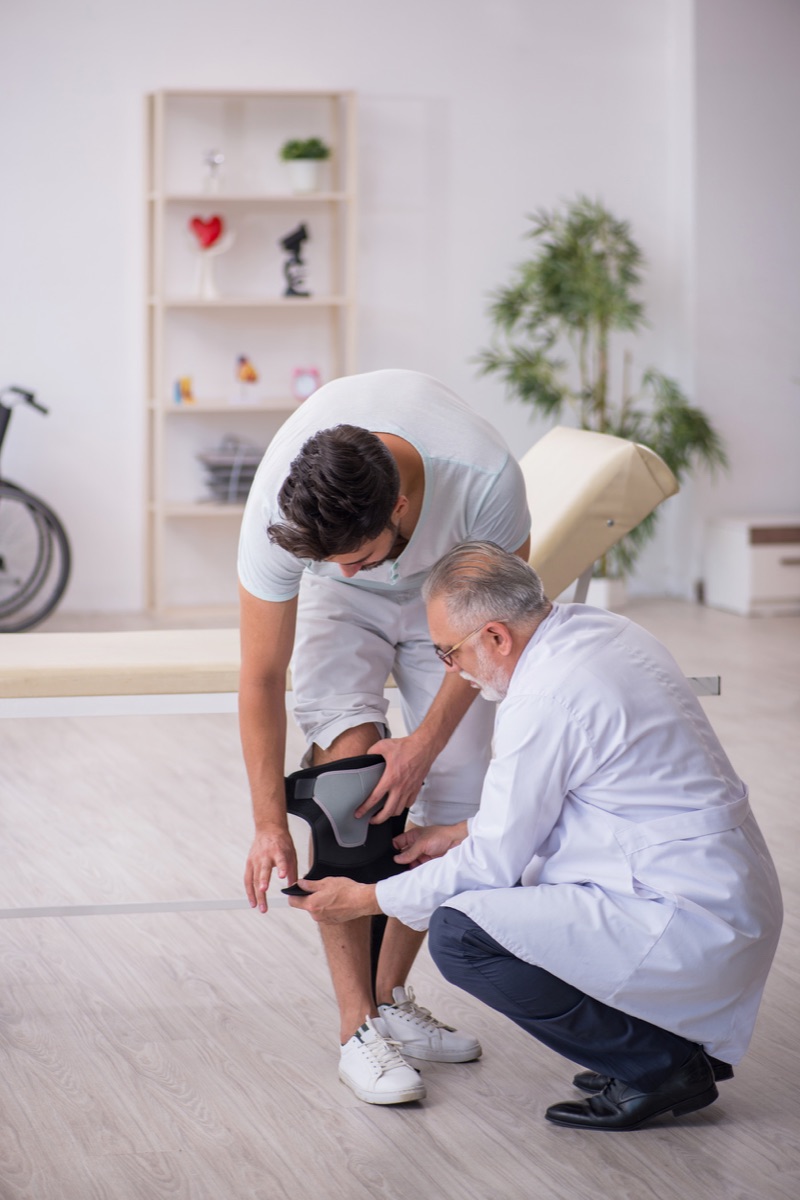
A counterforce brace (forearm strap) worn just below the elbow reduces stress on the affected tendon during activities. Oral or topical NSAIDs provide short-term pain relief and reduce inflammation. Use NSAIDs as directed and consult your doctor for long-term use.
Adjusting workstation height, using ergonomic keyboard and mouse, and modifying grip technique on tools can significantly reduce tendon strain. Proper grip size on sports equipment (tennis rackets, golf clubs) is critical for athletes.
Provides short-term relief (2-6 weeks), but evidence suggests worse long-term outcomes compared to physiotherapy alone for tennis elbow. May weaken the tendon with repeated injections. Generally reserved for acute, severe pain.
PRP (Platelet-Rich Plasma): Injecting concentrated platelets from your own blood may promote tendon healing. Emerging evidence shows promise for chronic tennis elbow.
Extracorporeal Shockwave Therapy (ESWT): Non-invasive sound wave treatment that stimulates healing in chronic tendinopathy. Multiple sessions typically needed over several weeks.
Only 5-10% of tennis or golfer’s elbow cases require surgery after 6-12 months of failed conservative treatment. The procedure involves releasing or debriding the damaged portion of the tendon. Can be done open or arthroscopically with good outcomes.
For cubital tunnel syndrome that doesn’t respond to conservative measures (night splinting, activity modification). The ulnar nerve is moved from behind the elbow to a new position in front, relieving compression. Recovery takes 3-6 months for full nerve regeneration.
Strengthening the forearm muscles through eccentric exercises is the most effective way to treat and prevent tennis elbow and golfer’s elbow. These exercises promote tendon remodeling.
Always consult with a physical therapist or doctor before starting a new exercise program.
A physical therapist can design a progressive exercise program tailored to your specific condition, monitor your technique, and advance your program as you improve.
For stubborn cases, manual therapy techniques like deep friction massage and joint mobilization may complement your exercise program and accelerate recovery.
Proactive steps can significantly reduce your risk of elbow overuse injuries and help you stay pain-free long term.
Whether on a tennis racket, golf club, or work tool, the correct grip size reduces strain on forearm tendons.
Take regular breaks during repetitive tasks. Alternate hands when possible and use power tools to reduce manual gripping.
Regular forearm strengthening exercises build tendon resilience. Wrist curls, reverse wrist curls, and grip exercises help.
A counterforce brace during sports and manual work reduces tendon load and can prevent injury recurrence.
Light stretching and warm-up exercises prepare tendons for activity and reduce injury risk during sports or manual work.
Proper form in sports and at work prevents overloading specific tendons. Consider coaching or ergonomic assessment.
While many cases of elbow pain improve with self-care, you should see a healthcare provider if you experience any of the following:
Recent research, news, and expert insights about elbow pain treatments and orthopedic advances.