Evidence-based information from leading medical institutions. Understand your pain, explore treatments, and get AI-powered guidance for lasting relief.
Select your pain area to find targeted information, exercises, and treatment options.

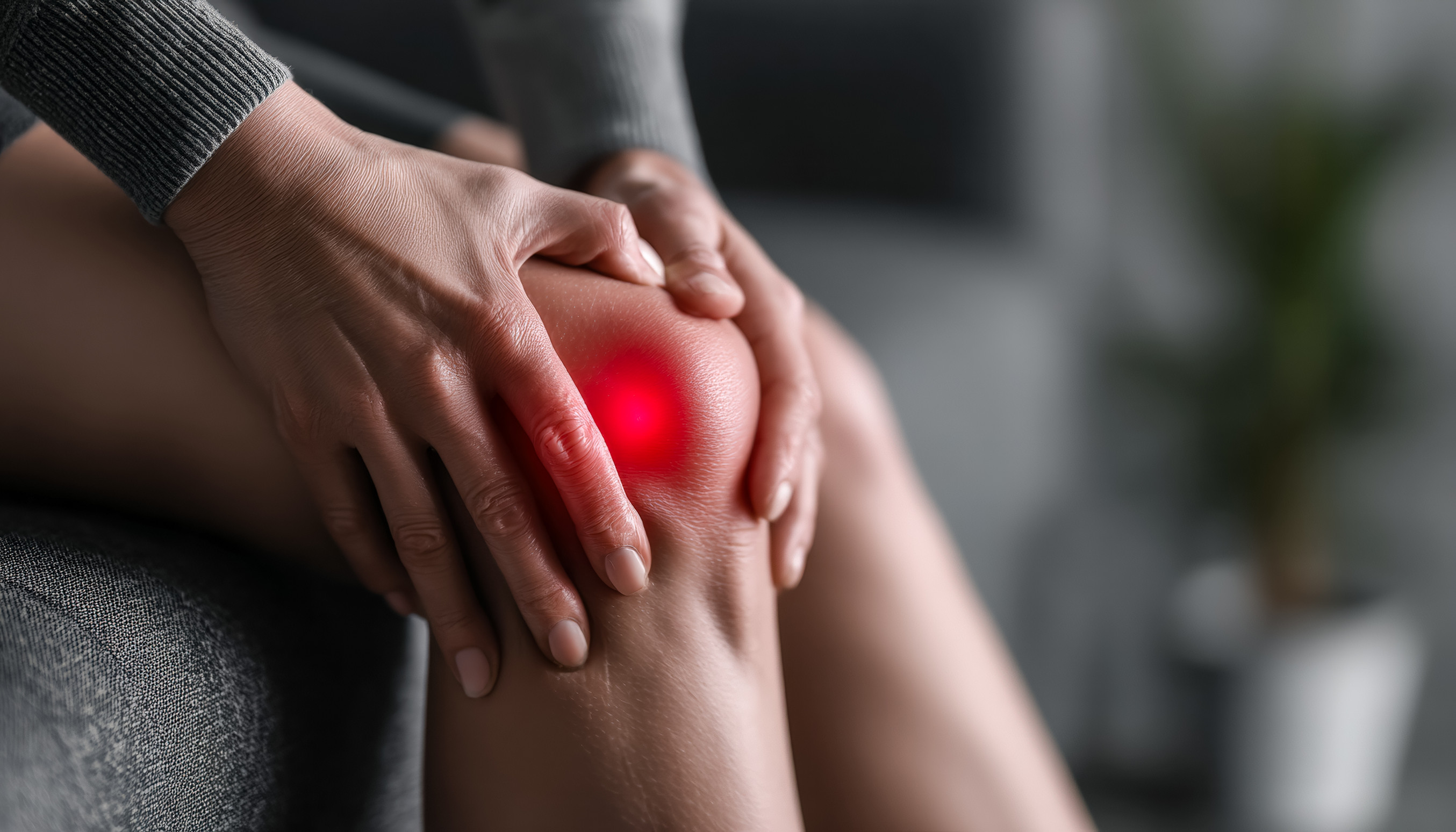
The most common site of joint pain. Learn about OA, meniscus tears, and ligament injuries.
Learn more
From bursitis to arthritis. Understand groin pain, stiffness, and mobility issues.
Learn more
Rotator cuff, frozen shoulder, and impingement. Restore range of motion.
Learn more
SI joint dysfunction, facet arthritis, and spinal stenosis explained.
Learn more
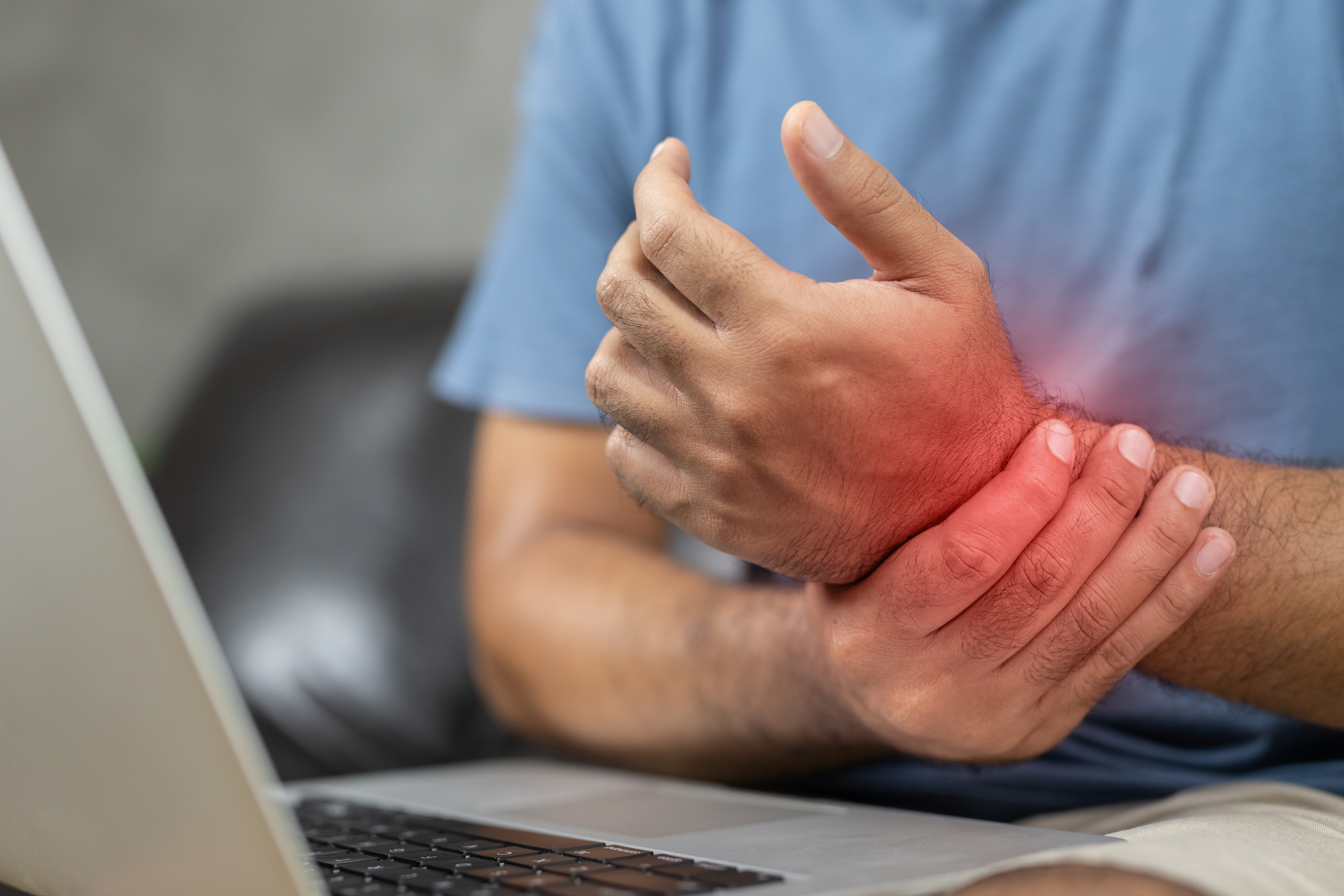
Carpal tunnel, thumb arthritis, and finger joint conditions.
Learn more
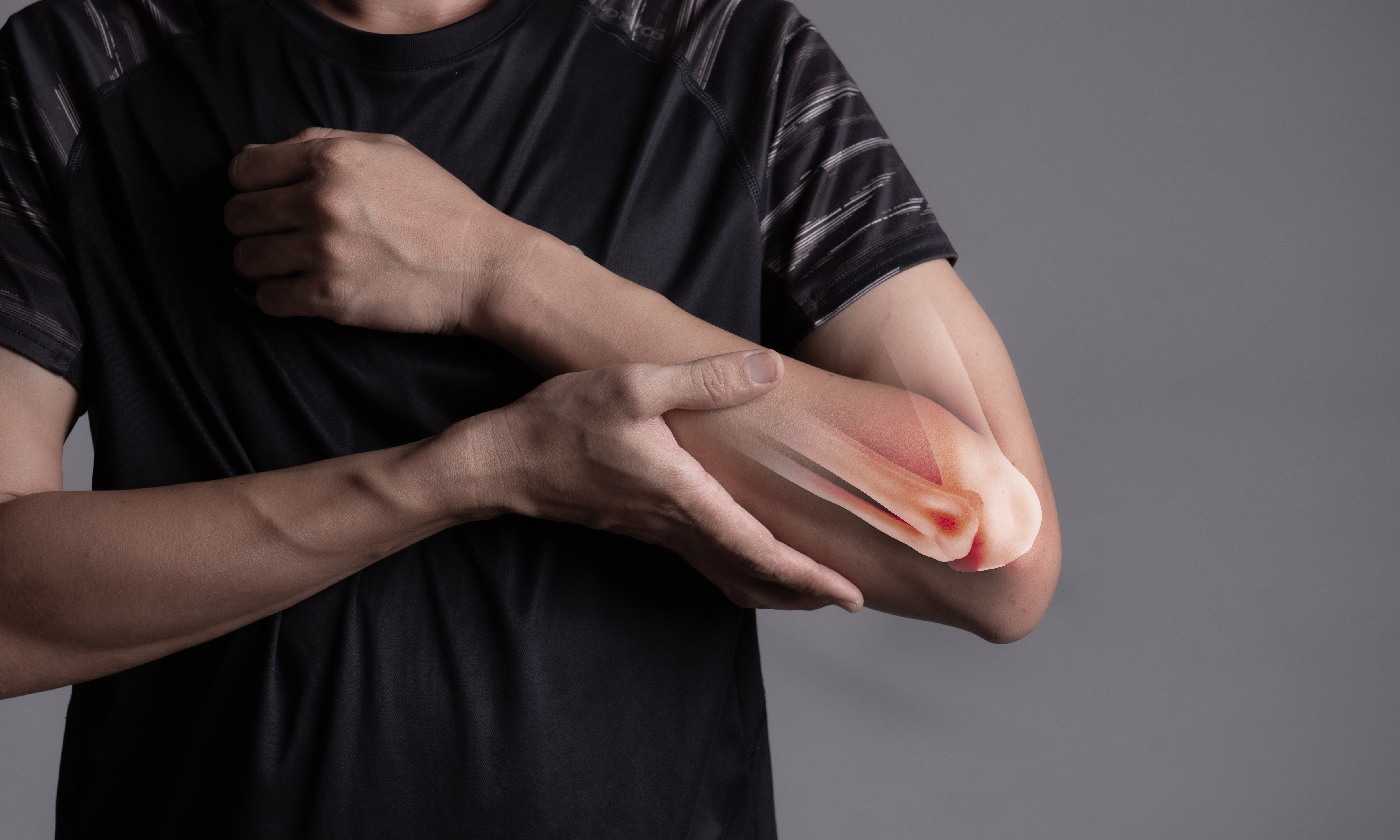
Tennis elbow, golfer's elbow, and elbow bursitis treatment guide.
Learn more
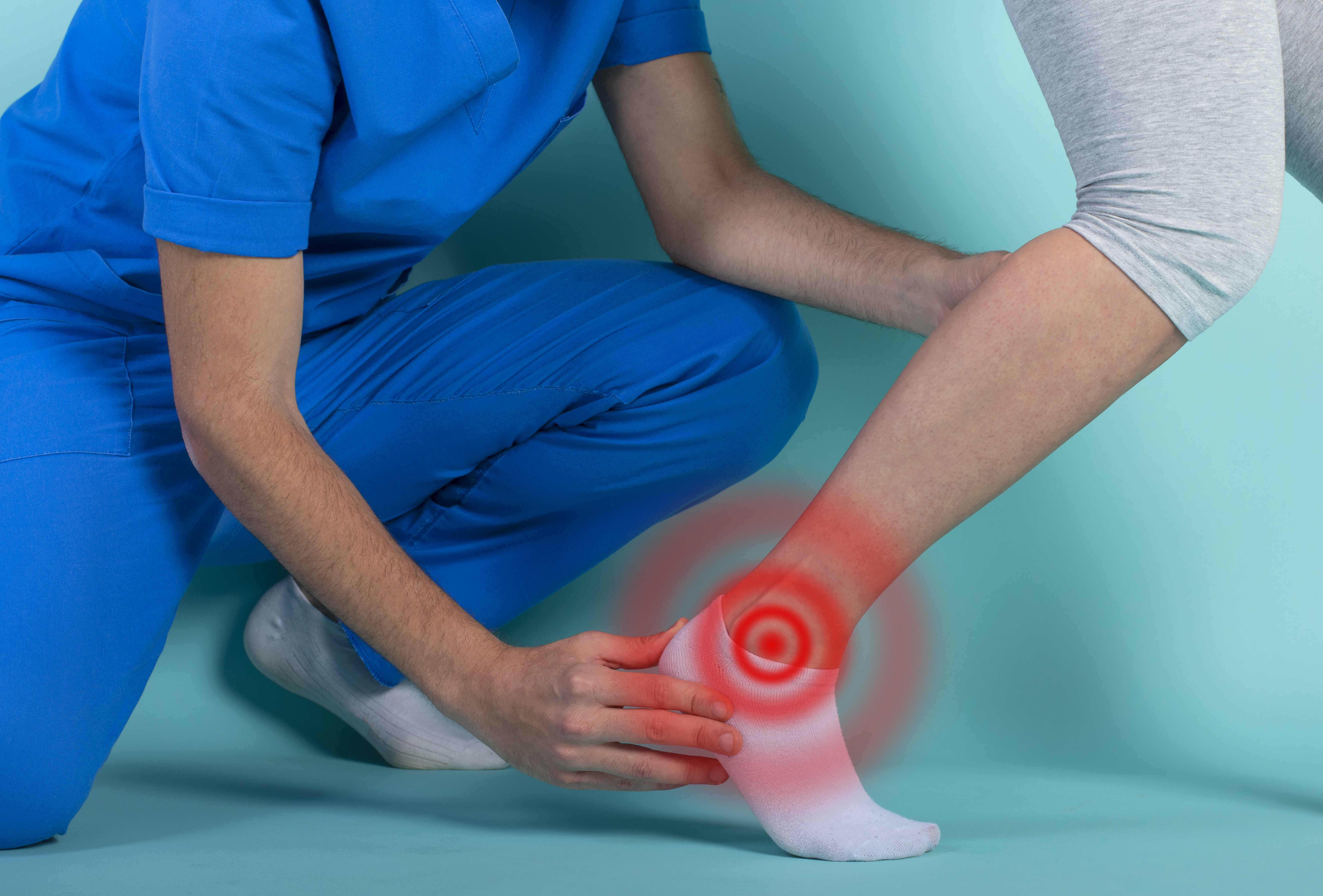
Plantar fasciitis, ankle arthritis, and gout in the big toe.
Learn more
Temporomandibular joint disorder causes, symptoms, and relief.
Learn moreDifferent conditions require different approaches. Learn about causes, symptoms, and treatments.
The most common form of arthritis, affecting 32+ million Americans. Caused by cartilage breakdown leading to bone-on-bone friction, pain, and stiffness. When cartilage loss is severe and conservative treatments no longer provide relief, knee replacement surgery may restore mobility and quality of life.
An autoimmune disease where the immune system attacks joint linings. Often affects hands, wrists, and knees symmetrically. Early diagnosis by a rheumatologist is crucial for preventing irreversible joint damage.
Caused by uric acid crystal buildup, typically affecting the big toe first. Causes sudden, severe attacks of pain, swelling, and redness.
Treatment OptionsInflammation of bursae—small fluid-filled sacs that cushion joints. Common in shoulders, elbows, and hips from repetitive motion.
Get AssessmentAffects some people with psoriasis, causing joint pain, stiffness, and swelling. Can affect any joint. Biologics are often effective.
Find SpecialistInflammation of tendons connecting muscle to bone. Common in rotator cuff, Achilles, and elbow. Rest, ice, and PT usually help.
Self-Care TipsCurated articles from leading medical institutions and healthcare organizations.
From lifestyle changes to medical interventions—evidence-based options for managing joint pain.
Every pound of body weight equals 4 pounds of pressure on knees. Losing 10-15 lbs significantly reduces joint stress.
Focus on fish, vegetables, fruits, nuts, whole grains, olive oil. Omega-3s have proven anti-inflammatory benefits.
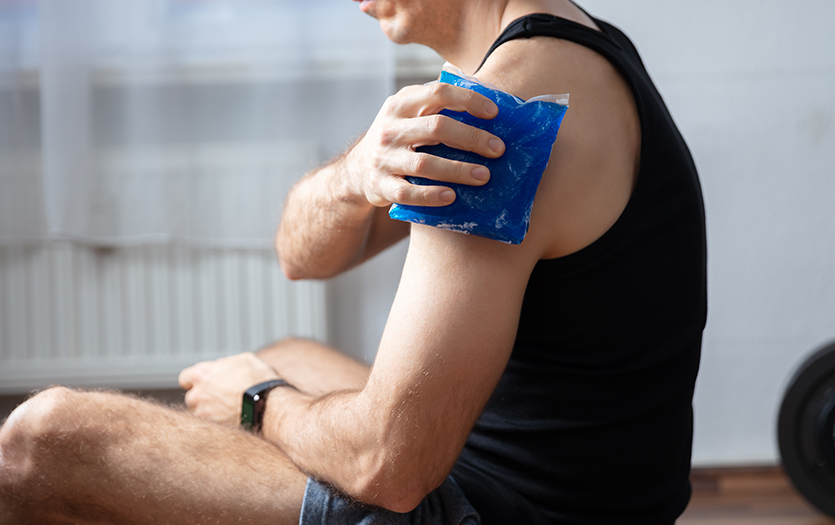
Heat relaxes muscles for stiffness. Cold reduces inflammation and numbs acute pain. Apply 15-20 minutes.
Swimming, walking, cycling strengthen supporting muscles without stressing joints. "Motion is lotion."
7-9 hours allows tissue repair. Use supportive pillows and maintain consistent sleep schedule.
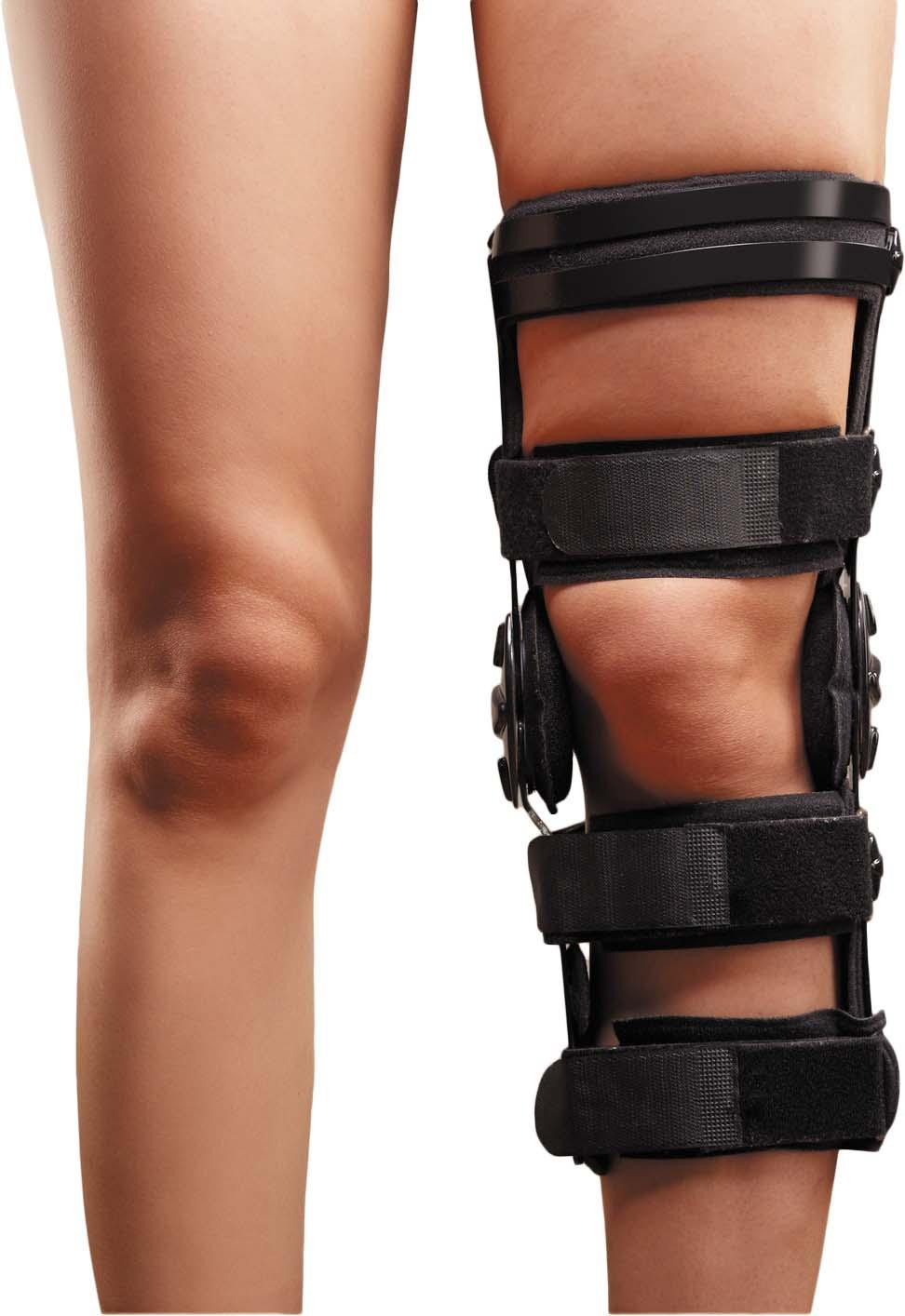
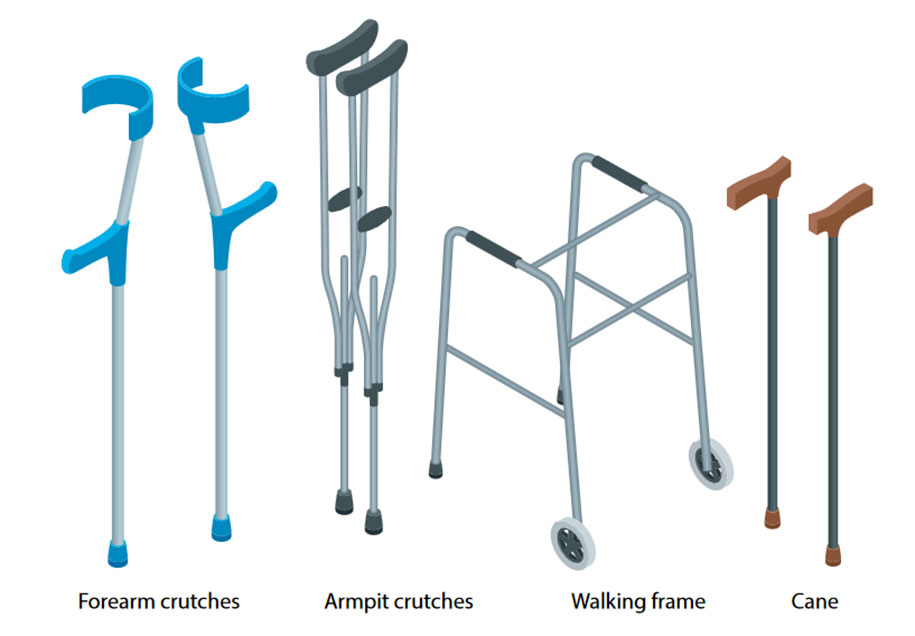
Canes, braces, shoe inserts reduce joint stress. A physical therapist can recommend appropriate devices.
Effective for mild-moderate pain. Easier on stomach than NSAIDs. Follow dosing limits to protect liver.
Reduce pain AND inflammation. Take with food; not for long-term daily use without doctor guidance.
Voltaren gel (diclofenac) is FDA-approved for arthritis. Also Biofreeze, Aspercreme. Fewer systemic side effects.
For inflammatory arthritis (RA, PsA). Disease-modifying drugs slow joint damage and require monitoring. Since these medications can be expensive, comparing prices across pharmacies may significantly reduce out-of-pocket costs.
Glucosamine/chondroitin may help some (takes weeks). Fish oil, turmeric have anti-inflammatory properties.
Tramadol or other options for severe pain when OTC fails. Used short-term with doctor supervision.
Gold standard for joint rehab. Strengthens muscles, improves flexibility, teaches proper movement patterns.
Powerful anti-inflammatory injections provide weeks to months of relief. Limited to 3-4 per year per joint.
Viscosupplementation adds lubricant to joints. Effects can last 6 months. Insurance coverage varies.
Platelet-rich plasma from your blood may promote healing. Promising research but not yet standard of care.
May help some people with chronic pain. Low risk when done by licensed practitioner.
Learns joint-protective techniques for daily activities. Essential for hand/wrist arthritis.
Minimally invasive camera surgery. Repairs meniscus tears, removes loose bodies. Quick recovery.
Replaces damaged joint surfaces with implants. Hip replacement procedures are highly successful with 90%+ of implants lasting 15-20 years.
Resurfaces only damaged compartment. Preserves healthy bone. Faster recovery than total knee.
Mako and other systems use 3D imaging for precision. Studies show better outcomes, faster recovery.
Fuses bones together eliminating painful motion. Used for ankles, wrists, spine when replacement isn't option.
Reshapes bone to redistribute weight away from damaged area. Can delay joint replacement in younger patients.
Evidence-based products recommended by healthcare providers.
Joint Support
Stabilizing braces for support and protection during daily activities.
View OptionsSearch board-certified specialists in orthopedics, rheumatology, and sports medicine near you.
Answer these questions to understand your joint pain and get personalized recommendations.
Compare leading joint replacement systems and find the right fit for your needs
Compare 10+ major manufacturers including Zimmer Biomet, Stryker, Smith & Nephew, and more.
View Manufacturers →Explore hip replacement systems from DePuy Synthes, Exactech, MicroPort, and leading providers.
View Manufacturers →Connect with board-certified orthopedic surgeons specializing in joint replacement near you.
Search Surgeons →AI Joint Pain Advisor